Different types of pleats in sewing

Different types of pleats in sewing

To celebrate the release of our Olivia blouse pattern, we’ve decided to teach you more aboutthe different types of pleats in sewing

We'll also share our memory techniques to help you navigate the material and tackle it effectively.

Table of Contents

The Different Types of Folds

There are three different types of pleats in sewing.

We'll introduce them to you here with small diagrams so you can easily identify them.

Different Types of Seams - Flat Seams

Flat pleats

Flat pleats are horizontal pleats (very simple pleats!) that repeat at regular intervals, always running in the same direction

Different Types of Seams - Box Pleats

The box pleat

The box fold consists of two flat folds facing each other. With their edges glued together at the center, these folds seem to love each other.

Different Types of Seams - Round Pleats

The Round Pleat

A round fold consists of two flat folds that do not touch each other.

Note: A round fold is a box fold when viewed from the back. And vice versa!

So what exactly is a box pleat?

Actually, a stitched pleat is one of the types of pleats mentioned earlier, where you sew along part of the pleat.

To help you understand better, we have a video on our YouTube channel that clearly shows the difference between a round pleat and a stitched round pleat.

Zoom Kit: "Poésie" Blouse - BR
Round Pleats - "Poésie" Blouse Pattern
Sherwood Dress
Flat Pleats - Sherwood Dress Pattern
June Shorts Set - Gray
Flat Stitched Pleats - June Shorts Pattern
Olivia Pleated Blouse
Box Pleats - Olivia Blouse Pattern

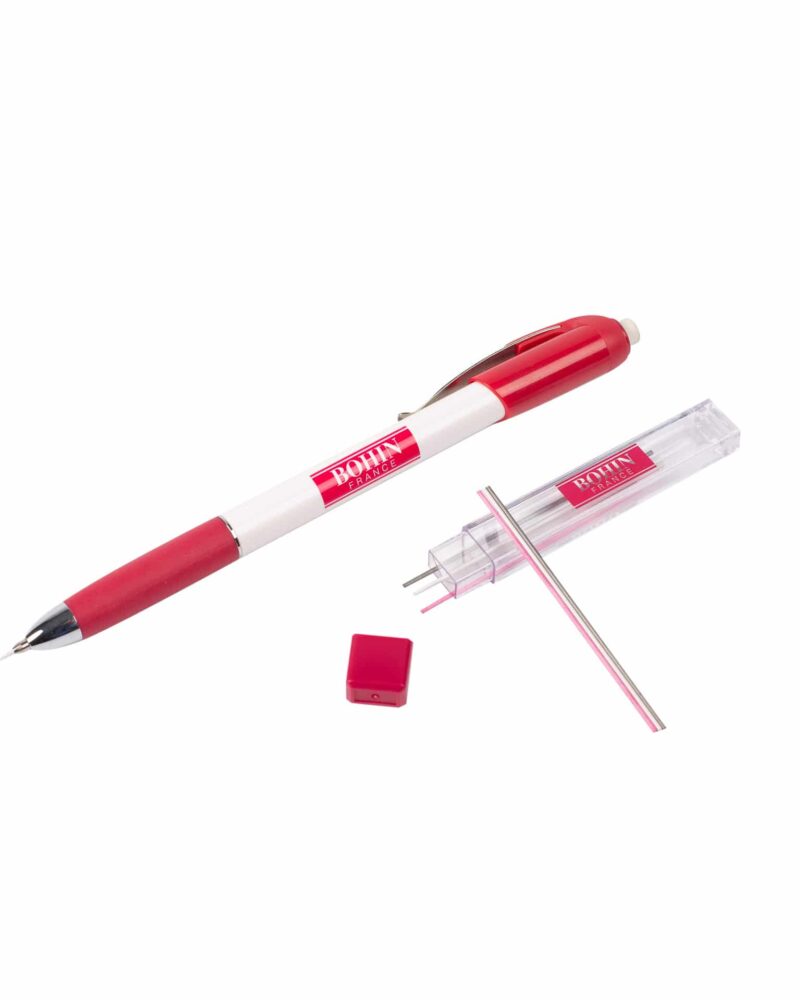
The Right Equipment for Marking Folds

When you're sewing pleats and need to mark the pleats on the right side of the fabric, it's best to have the right supplies. Here's our selection:

The air-dry marker
Our favorite for pleats: it fades away on its own after a few hours.

Pros: It’s very fine, so it’s precise, and you can wear your blouse right after sewing it.
Cons: The lines fade, so if you plan to sew over several days, you’ll need to keep an eye on them.

The chalk mechanical pencil
Pros: Marks on all fabrics without damaging them.
Cons: Sometimes requires washing to come out.

The Frixion Pen
Very well-known, it erases under the heat of an iron.
Pros: precise. Erases under an iron, so not very suitable in our case.
Cons: may leave marks on certain fabrics.

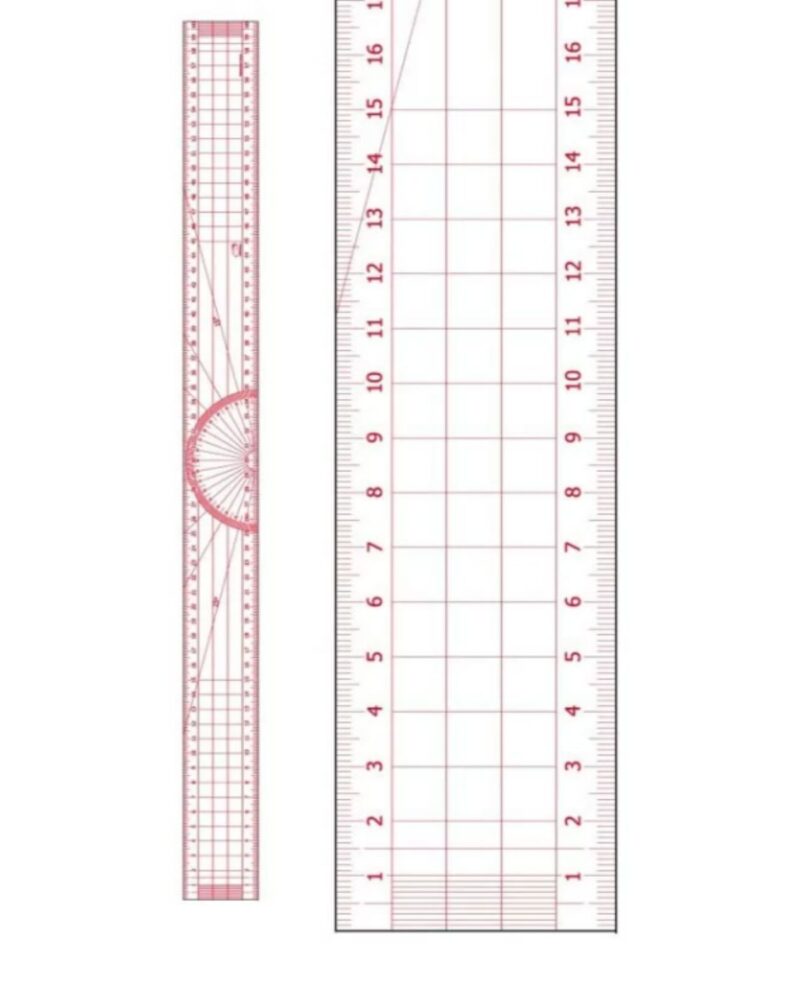
Bonus: The Japanese Ruler
When making Olivia, you’ll need to draw long lines to create the pleats. For this, we at
recommend using a Japanese ruler. It’s the perfect all-in-one tool for patternmaking, drafting, and measuring!


Fabrics and Pleats in Sewing

When we talk about pleats, we’re talking about folding the fabric, and the type of fabric matters when it comes to holding those pleats in place before sewing. Some fabrics hold pleats very well, while others do so much less effectively. That’s why it’s important to choose the right fabric for your project.

For a project that involves pleats, choose flowing, lightweight to medium-weight fabrics such as viscose, cotton gauze, silk, and cotton voile…

However, avoid thick fabrics or those that don't crease easily when ironed, such as 100% polyester, because they will make it difficult to create pleats.

Now it's your turn!

Picto Majam Hand-Stitched

Majam, your sewing brand

Since 2017, our brand has had one single goal: to help you successfully sew your own clothes while having fun!

That's why we get up every morning to bring you super clear patterns, complete sewing kits, and quality fabrics.

All backed by video tutorials on YouTube to help you along the way!

Majam