
Here, we'll introduce you to the different sewing stitches. At the very bottom, you'll find a summary table with the symbols and even more stitches.
Essentials:
- The Straight Stitch
- The zigzag stitch
- The Blind Stitch
The Straight Stitch
This is probably the most commonly used stitch in sewing.
It’s used to join two pieces of fabric, but also to sew on all kinds of accessories like ribbons, bow ties, etc. It can also be used for decorative purposes.
All machines offer this stitch in the center, but some sewing machines also offer it offset to the left or right. This can be useful at times, but it’s by no means essential.
Speaking of the straight stitch, you may also come across the reinforced straight stitch. Basically, instead of sewing a single-layer stitch, you sew a triple-layer stitch, which makes it stronger. It’s used, for example, to sew the sleeves and collars of garments, or the crotch of pants (the “crotch” in layman’s terms, lol). Since this stitch is reinforced, it holds up well in these areas that are put under strain when putting on clothes or during various activities throughout the day.
The standard straight stitch has virtually no stretch (if any at all), whereas the reinforced straight stitch is stretchy.
The zigzag stitch
It is the most commonly used stitch along with the straight stitch, and it has the advantage of serving several purposes:
- Overcasting: that is, preventing the edges of the fabric from fraying
- Assemble: 2 pieces of fabric, for example
- Sew stretch fabrics such as jersey (using an appropriate needle), as this stitch can withstand tension.
- Sewing onto elastic
- Sew appliqués, as long as you use a very short stitch length.
- Finally, it can be decorative
Just as with the straight stitch, there is areinforced zigzag stitch. It has three layers and is stronger than the simple zigzag stitch. Like the reinforced straight stitch, the reinforced zigzag stitch is used to reinforce certain areas.
Whether simple or reinforced, this stitch has a certain amount of elasticity. (Greater elasticity with the reinforced straight stitch.)
There is a third variation of the zigzag stitch:the triple stitch, also known as the triple loop stitch or themultiple zigzag stitch. With this stitch, the zigzag is actually stitched three times per row. This is what gives it its high elasticity. As a result, it can be used on jersey fabric or elastic.
The Blind Stitch
As its name suggests, it is used to create invisible seams. It is primarily used to make invisible hems.
A Chart of the Different Stitches in Sewing
In conclusion,the most importantstitches are the straight stitch, the zigzag stitch, and the blind stitch. We’ve covered the different variations of these three stitches, but they aren’t available on all machines since they’re just optional features; the main thing is to have the basic versions.
There are a whole bunch of other points, so here are a few of them in the table below.

Finally, keep in mind that there are also decorative stitches. You might think you’d never use them because they’re too old-fashioned, but actually, that’s not true—some of them are really pretty!
They can be used to embellish sleeves, collars, or napkins. There are a huge number of them, with a special mention for thescallop stitch.
-
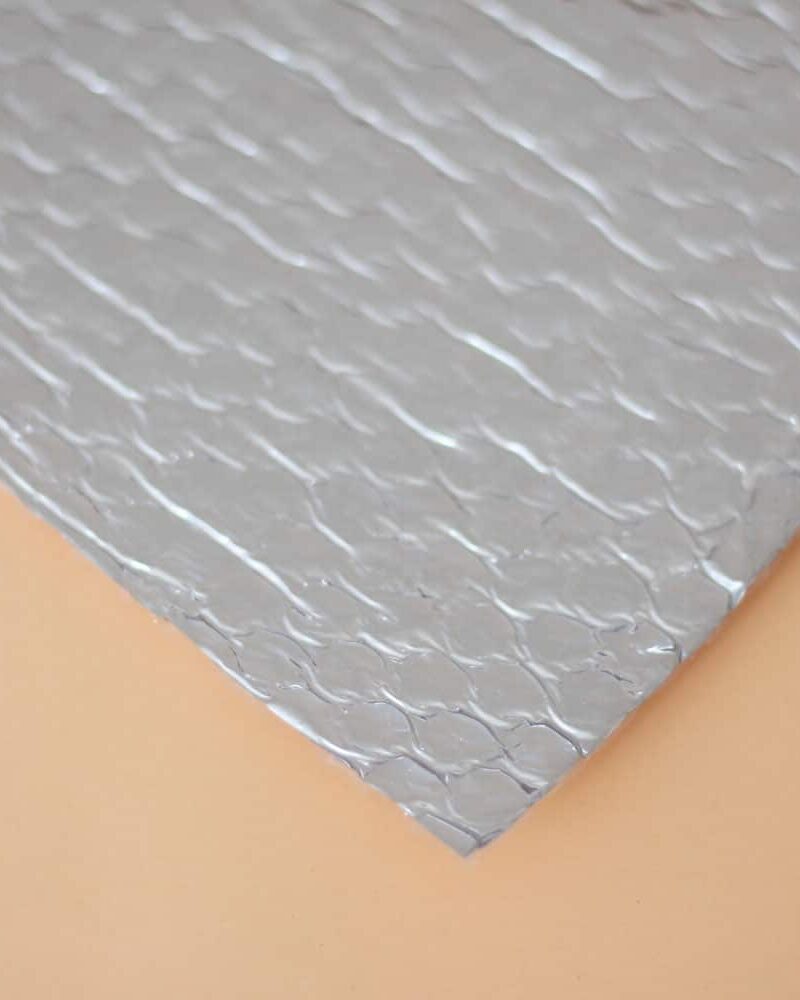 Thermal Insulationfrom 6,00€
 -
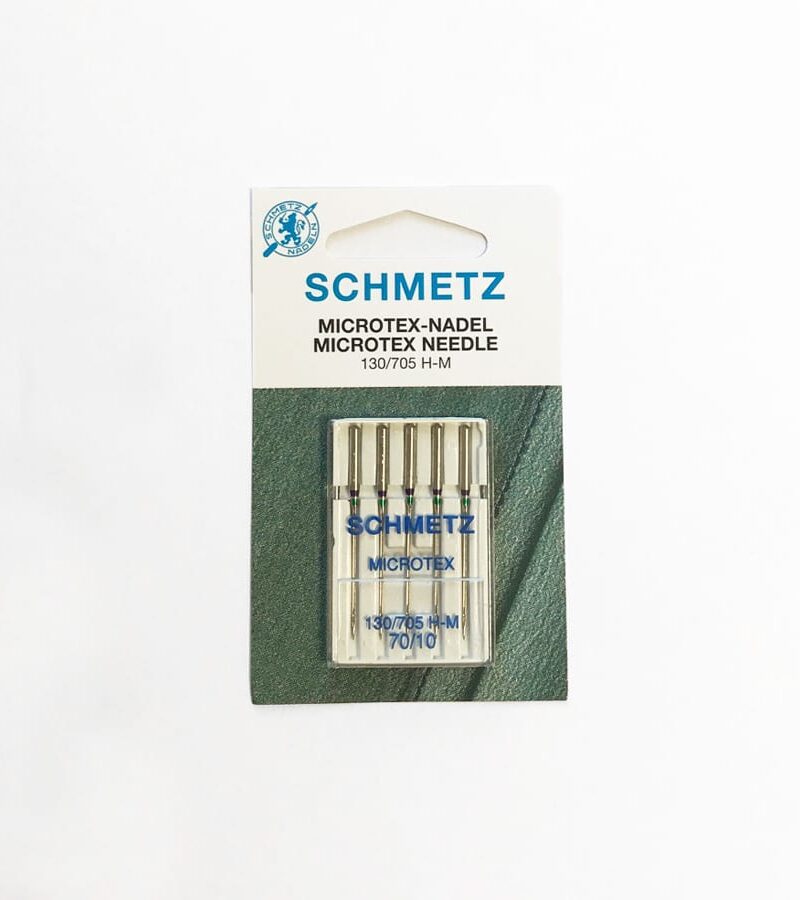 Microtex 70 sewing machine needles - Schmetz3,00€
 -
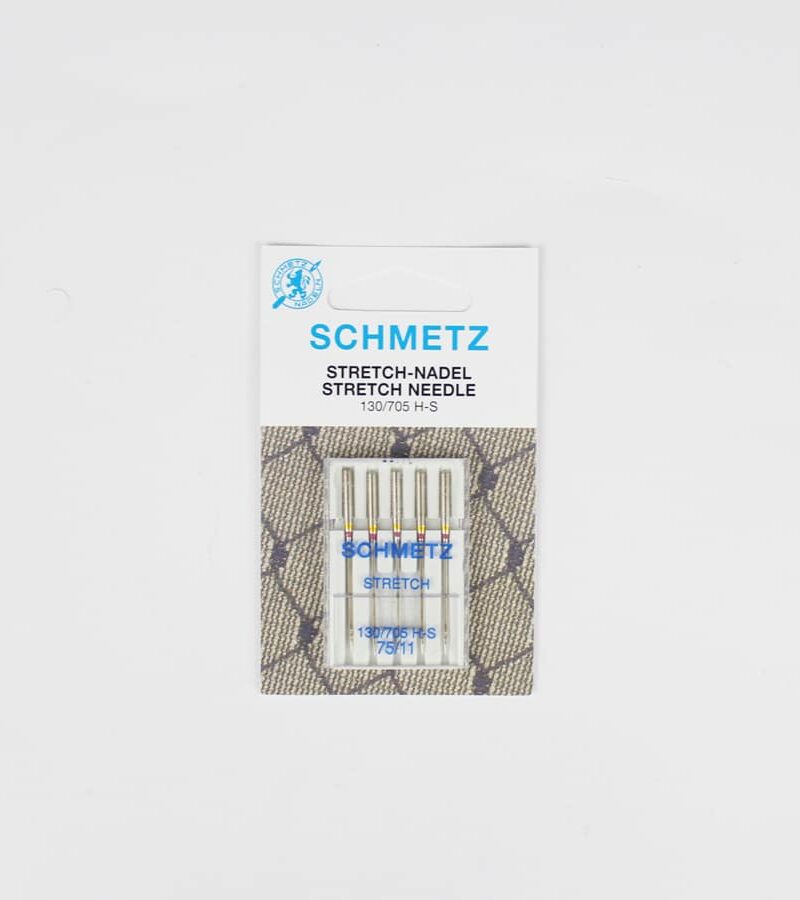 Jersey 75 Sewing Machine Needles - Schmetz3,50€
 -
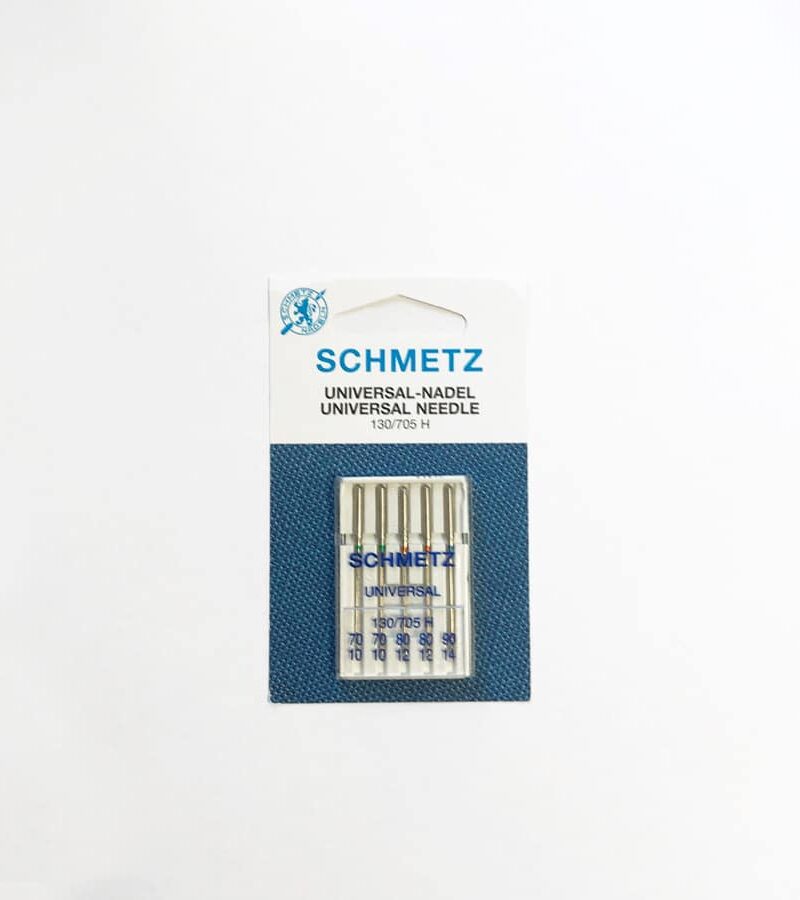 Universal Sewing Machine Needles 70/90 - Schmetz2,60€
 -
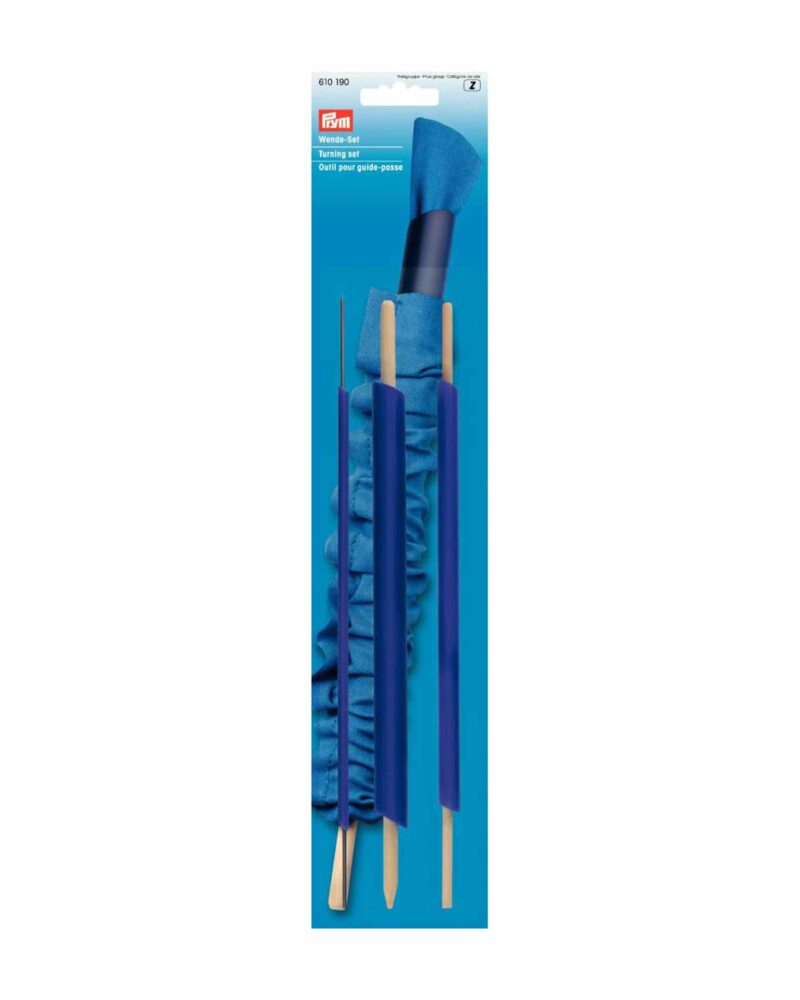 Tool for a guide bar8,95€
 -
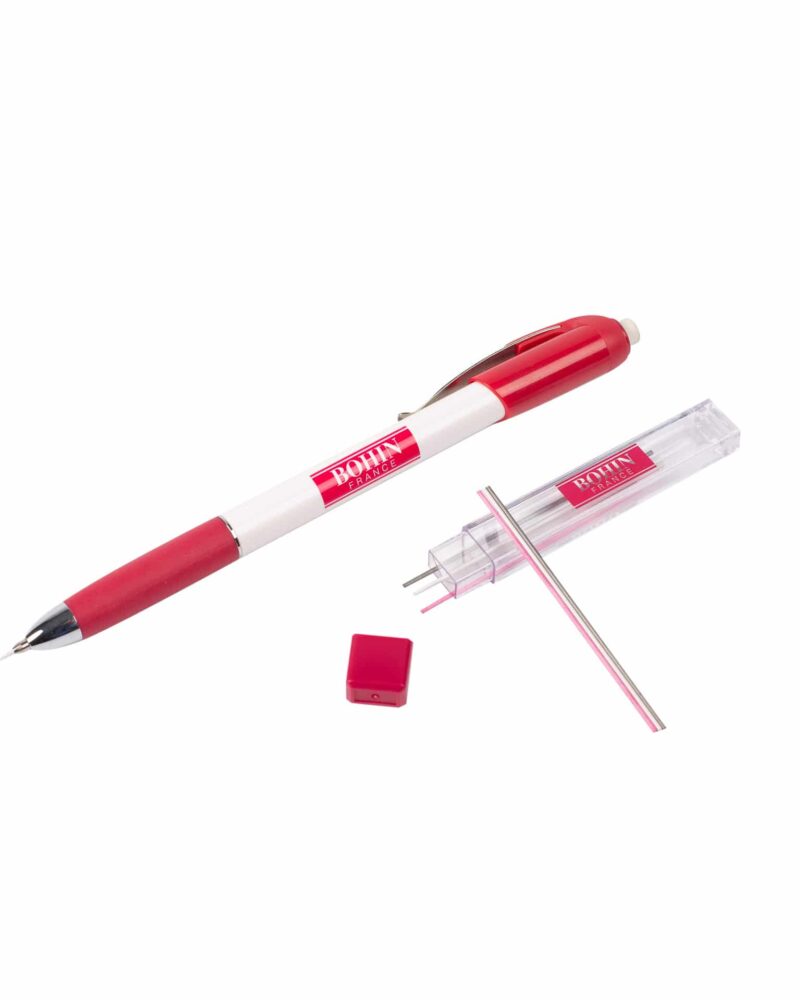 Chalk pencil Extra-fine mechanical pencil11,95€
 -
 Set of 5 pattern pouches10,00€
 -
 4.0 T.75 Twin Machine Needles - Schmetz4,50€